Julia Child, as Always an Inspiration

I decided to take a break from my usual novel to delve into a collection of letters written during the 1950s and 1960s by the wife of a popular journalist and a woman who had completed studies at Le Cordon Bleu in Paris and was writing a cookbook.

In As Always, Julia, Bernard DeVoto penned an article about American knives for Harper’s, and Julia extended her support for his findings by mailing him a letter along with one of her favorite chopping utensils. His wife Avis first responded to the letter, which marked the beginning of their friendship that would last decades.

The two wrote back and forth fairly regularly even though the Childs moved quite often – to France, Germany and Norway. Once the DeVotos and Childs met while Julia and Paul were in the U.S., the friendship was solidified as evidenced in the increased depth of emotions described in the writings.

It is fascinating to read, in this collection of letters, the range of topics covered including food, no doubt, and also the struggles of obtaining a publishing contact, opinions on the political climate in the U.S. and abroad, details about parties and fashion, trying and retrying recipes, and the ups and downs of family events. I was inspired in my own cooking trials to know that even Julia Child tried recipes over and over again before getting them just right.

The economics of book publishing was discussed at length. Houghton Mifflin, the first company to discuss a possible contract, eventually turned Julia and her collaborators down because they could not make a business case for publishing a how-to guide for French cooking. However Knopf, the company that eventually gave Julia a contract, thought there was a market for such a book, and projected that 20,000 copies would be sold in the first year. In fact, between October 1961 and August 1962, 100,000 copies of Mastering the Art of French Cooking were sold.

By reading letters one is also allowed to better understand people’s personalities. And wow, Julia Child was funny! In one letter from 1954, Julia described how her German studies were progressing. She wrote, “German. It ain’t easy…However I impressed the nice woman in the post office twice, after having carefully practiced two sentences each time…[and] I telephoned a German oculist and have made an appointment for tomorrow afternoon (I believe!).”

As Always, Julia is a unique collection of letters between good friends that provides a first-hand account of the beginning of the celebrity career of Julia Child while combining a historical picture of political and economic situations along with countless recipes and tips such as defrosting a turkey and stuffing a goose. In addition, I now have a risotto recipe that can be modified and tested in my kitchen. Where else can you find that combination of food, humor, world travel and book publishing in a good read?

Celebrate Summer with Strawberry Bread

This recipe caught my attention right away since I love breads and strawberries – so why not put the two together? Originally published about 20 years ago in a USA Weekend food section, the recipe was recently re-published. With a few modifications including adding whole wheat flour, switching the sugar to honey, and substituting vegetable oil with canola oil, I baked a delicious and “sensitive” quick bread. My sensitive-in-laws really enjoyed the sweet strawberry and tart lemon flavors. What a wonderful way to use the produce that is in season! My honey-sweetened version is noted below:

Ingredients:
3/4 cup all purpose flour
3/4 cup whole wheat flour
1/2 teaspoon baking soda
2/3 cup honey
2 eggs
2/3 cup canola oil
2 teaspoons grated lemon rind
1 1/2 cups sliced strawberries
3/4 cup chopped almonds, walnuts or pecans (optional)

Steps:
Mix together the flours and baking soda in a medium bowl. In a large bowl, lightly beat the eggs. Mix in oil, lemon rind and honey. Stir in the flour mixture until just blended. Fold in the strawberries and nuts.

Butter and lightly flour an 8- by 4-inch loaf pan. Put the batter into the pan, and bake on the center rack for 1 hour at 350 degrees or until inserted toothpick comes out clean. Cut in squares or slices and savor a great taste of summer.

I am also sharing this recipe with Simply Sugar and Gluten Free, This Chick Cooks, Something Swanky , Food Trip Friday, Sweet as Sugar Cookies, Everyday Sisters and on my Facebook page.

Sweet Cost Comparisons

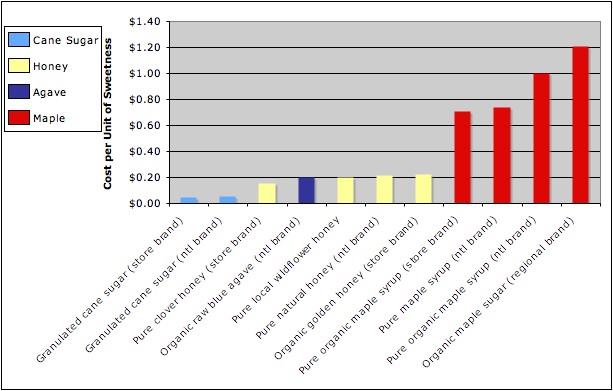
Hi! Now that I have made the switch to natural sweeteners, I have noticed that my grocery bills have increased. Since I have a sensitivity to cane sugar I have an incentive to purchase the natural alternatives, but I want to be informed about which ones to use as substitutes so I don’t break the bank. And for people who are trying to cook with healthier ingredients, it may be helpful to see which ones are more cost-effective. So the economist in me felt the need to do some investigating, particularly to determine which options are the least expensive per unit while accounting for the relative sweetness. Break out the spreadsheets – sensitiveeconomist is doing some calculations!


First I gathered all of my favorite natural sweeteners and entered in the costs and net weights into the spreadsheet. By dividing these two numbers, I obtained a per unit cost. Next, I compensated for their sweetness ratios by multiplying the per unit cost by how much one uses to substitute for one cup of cane sugar. For example, I use 2/3 cup honey for 1 cup of cane sugar, so I multiplied all of the honey options by 2/3.

The results are displayed graphically in the chart. No wonder people tend to use cane sugar – it’s quite inexpensive. The least expensive natural sweetener is a store brand non-organic clover honey. However, an interesting find is that local honey and organic agave, when bought in bulk, offer relatively inexpensive options, and can be cheaper than typical organic store and national brand honey. Maple sugar and syrups are the most expensive.

My verdict? I am going to buy store brand clover honey for baking since there is a cost savings and there should be no effect on the taste. In addition, I’ll look for local honey and organic agave nectar in bulk for baking and drizzling on top of foods, since they have long shelf lives and are quite tasty. I’ll save the maple for special occasions.

I look forward to hearing how you choose between different foods at the grocery store. Don’t be afraid to pull out a spreadsheet for some extra analyses. Ah, the power of spreadsheets!

Impress Your Friends and Family with July 4th Food Facts

Summer is about to ramp up into full swing with the upcoming July 4th holiday. Parades, fireworks and picnics will fill many neighborhoods as people celebrate America’s independence. Sensitivehusband and I are looking forward to hosting a picnic – we will be grilling chicken as the main course. And thanks to information compiled by the U.S. Census, I can guess that my chicken originated from one of six states in the South. Below are statistics pertaining to food; for the complete list of information, go to the U.S. Census Facts for Features web page. The data will lend itself to some interesting conversation at your holiday picnic…you may even impress someone with your knowledge of food trivia! Enjoy your holiday, and the data below!

More than 1 in 4
The chance that the hot dogs and pork sausages consumed on the Fourth of July originated in Iowa. The Hawkeye State was home to 19 million hogs and pigs in March 2011, which is more than one-fourth of the nation’s estimated total. North Carolina (8.6 million) and Minnesota (7.6 million) were also homes to large numbers of pigs. Source: USDA National Agricultural Statistics Service

6.8 billion pounds
Total production of cattle and calves in Texas in 2010. Chances are good that the beef hot dogs, steaks and burgers on your backyard grill came from the Lone Star State, which accounted for about one-sixth of the nation’s total production. And if the beef did not come from Texas, it very well may have come from Nebraska (4.6 billion pounds) or Kansas (4.1 billion pounds).
Source: USDA National Agricultural Statistics Service

6
Number of states in which the value of broiler chicken production was $1 billion or greater between December 2009 and November 2010. There is a good chance that one of these states — Georgia, Arkansas, North Carolina, Alabama, Mississippi or Texas — is the source of your barbecued chicken.
Source: USDA National Agricultural Statistics Service

Over 1 in 3
The odds that your side dish of baked beans originated from North Dakota, which produced 36% of the nation’s total in 2010. Another popular Fourth of July side dish is corn on the cob. Florida, California, Georgia, Washington and New York together accounted for 68% of the fresh corn produced nationally in 2010.
Source: USDA National Agricultural Statistics Service

Please Pass the Potato
Potato salad and potato chips are popular food items at Fourth of July barbecues. Approximately half of the nation’s spuds were produced in Idaho or Washington state in 2010.
Source: USDA National Agricultural Statistics Service

More than three-fourths
Amount of the nation’s head lettuce production in 2010 that came from California. This lettuce may end up in your salad or on your burger.
Source: USDA National Agricultural Statistics Service

7 in 10
The chances that the fresh tomatoes in your salad came from Florida or California, which combined accounted for 71% of U.S. fresh tomato production last year.
Source: USDA National Agricultural Statistics Service

Florida
The state that led the nation in watermelon production last year (750 million pounds). Other leading producers of this popular fruit included California, Georgia and Texas; each had an estimate of more than 600 million pounds.
Source: USDA National Agricultural Statistics Service

81 million
Number of Americans who said they have taken part in a barbecue during the previous year. It’s probably safe to assume a lot of these events took place on Independence Day.
Source: Mediamark Research & Intelligence, as cited in the Statistical Abstract of the United States: 2011

Cocoa Fudge Cookies

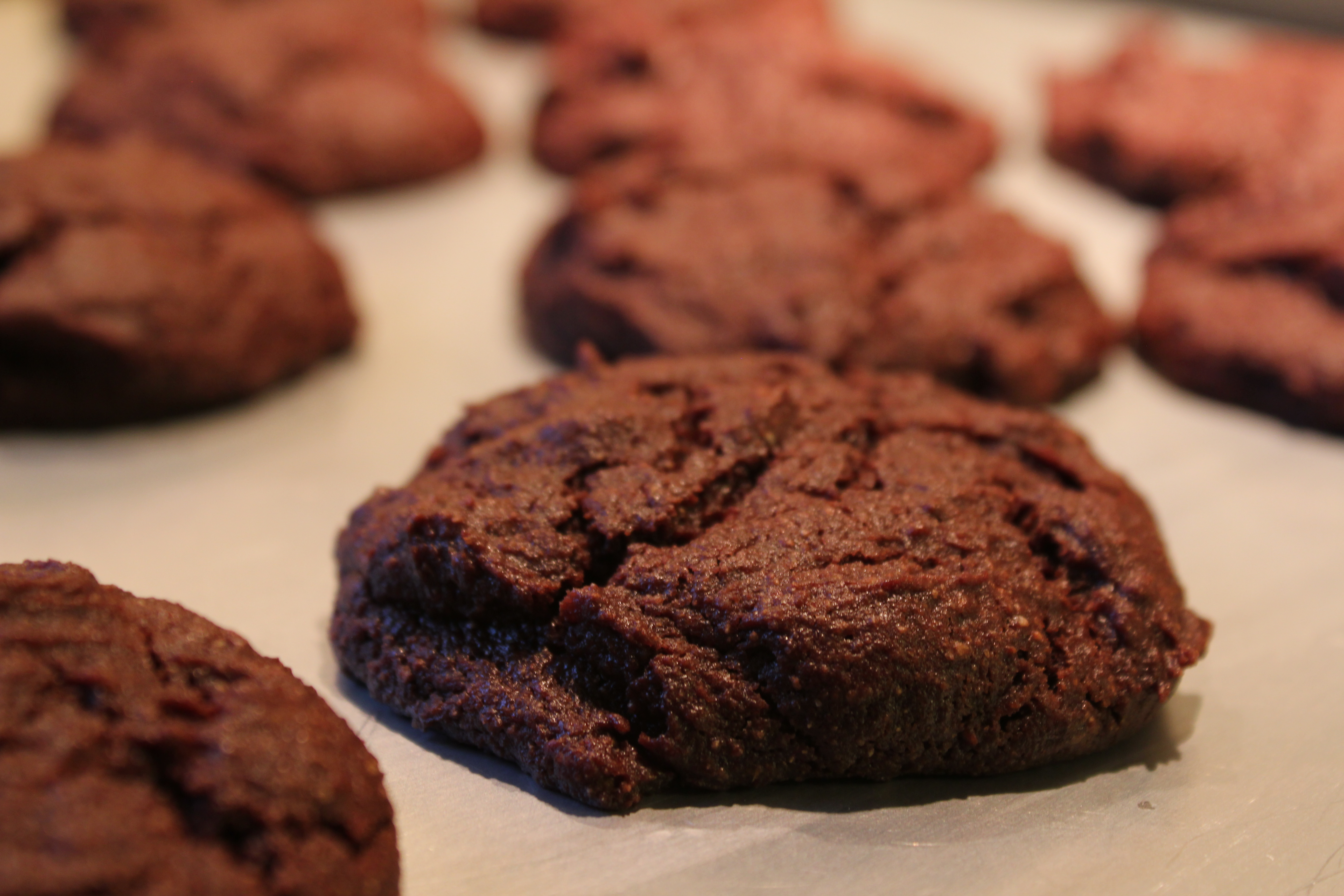
I have always liked these cookies ever since I found the recipe in Cooking Light magazine in 2002. These cookies are pretty easy to make and are fudgy and rich! So soon after I was told to avoid eating cane sugar, I dug out this recipe and was determined to make it my own. I swapped the granulated sugar for agave, replaced the brown sugar with maple syrup, and added a little whole wheat flour. My creation was a little fudgier than the original without the crunchiness of the granulated sugar. Even sensitivehusband is content with this version. And they smell great while baking…

Ingredients:
1/2 cup cup all-purpose flour
1/2 cup whole wheat flour
1/4 teaspoon baking soda
1/8 teaspoon salt
5 tablespoons butter
7 tablespoons unsweetened cocoa
1/2 cup agave nectar
1/3 cup maple syrup
1/3 cup plain low-fat yogurt
1 teaspoon vanilla extract
Cooking spray

Preparation:
Preheat oven to 350°.

Lightly spoon flour into a dry measuring cup; level with a knife. Combine flour, soda, and salt; set aside. Melt butter in a large saucepan over medium heat. 

Remove from heat; stir in cocoa powder, agave nectar and maple syrup. Add yogurt and vanilla, stirring to combine. Add flour mixture, stirring until moist. Drop by level tablespoons 2 inches apart onto baking sheets coated with cooking spray.

Bake at 350° for 8 to 10 minutes or until almost set. Cool on pans 2 to 3 minutes or until firm. Yields 2 dozen cookies.

I am also sharing my recipe with Simply Sugar and Gluten Free, Something Swanky, This Chick Cooks, Food Trip Friday, Simply Sweet Home and Sweet as Sugar Cookies.

Fabulous Yeast and Cane Sugar Free Cinnamon Raisin Buns

Please excuse the corniness of this statement, but I can’t help it…these buns are cinna-yum! The heartiness of the dough, the combination of raisins and cinnamon, the sweet topping – and you can enjoy this delicious treat without eating yeast or refined sugar. That’s right, these buns are cinna-yum!

Thanks to Katie at This Chick Cooks for the original recipe for Quick, No-Rise Cinnamon Buns. This recipe immediately caught my eye because it had two of my favorite qualities in a baked good: being quick to make; and being no-rise, or yeast free. My revisions involved removing the refined sugars by replacing with maple syrup and a dash of maple sugar. Instead of making a sugary glaze topping, I drizzled a natural sweetener. My final change included adding some whole wheat flour to give a rustic texture. These buns have received rave reviews from sensitivehusband, my coworkers, my in-laws and myself. Picture a lot of nodding and happy noises as people eat – these buns really do have a positive effect on folks.

One more note: if you do not own a rolling pin, you can roll the dough out using a tall glass (thanks, sensitivehusband, for that idea – the result was better than just using my hands). However it is faster and easier to use a rolling pin (thanks, MaryAnn, for picking one up for me – I hope you enjoy the thank you bun).

And now for the Fabulous and Quick, Yeast Free, Cane Sugar Free Cinna-Yum Bun Recipe…

Ingredients:
1 1/2 cups all-purpose flour
1 cup whole wheat flour
3 teaspoons baking powder 
1/2 teaspoon salt
1/4 cup maple syrup
2 tablespoons butter
1 egg
1 cup milk
3/4 cup raisins
2 tablespoons maple sugar
2 teaspoons cinnamon

Mix the flours and then add baking powder and salt in a medium bowl. Mix in maple syrup and then cut in butter with two knives until the mixture looks like coarse crumbs. Beat the egg and the milk together, and then mix into the flour mixture until just blended.

Turn out the dough onto a very floured counter and roll it out in an approximate oval or rectangle shape. Sprinkle with raisins and half of the maple sugar and cinnamon. Roll the dough like a jelly roll. Slice it into 1 inch rounds, place on cookie sheets and sprinkle with the remaining cinnamon and maple sugar. Bake at 400 for 15 minutes and serve hot. Drizzle with agave nectar, honey or maple syrup for an extra sweet treat.

I am also sharing this recipe with Simply Sugar and Gluten Free, Something Swanky, Food Trip Friday, Sweet as Sugar Cookies, Joy of Desserts and on my Facebook page.

Exit Stage Left: Food Pyramid. Enter Stage Right: Food Plate

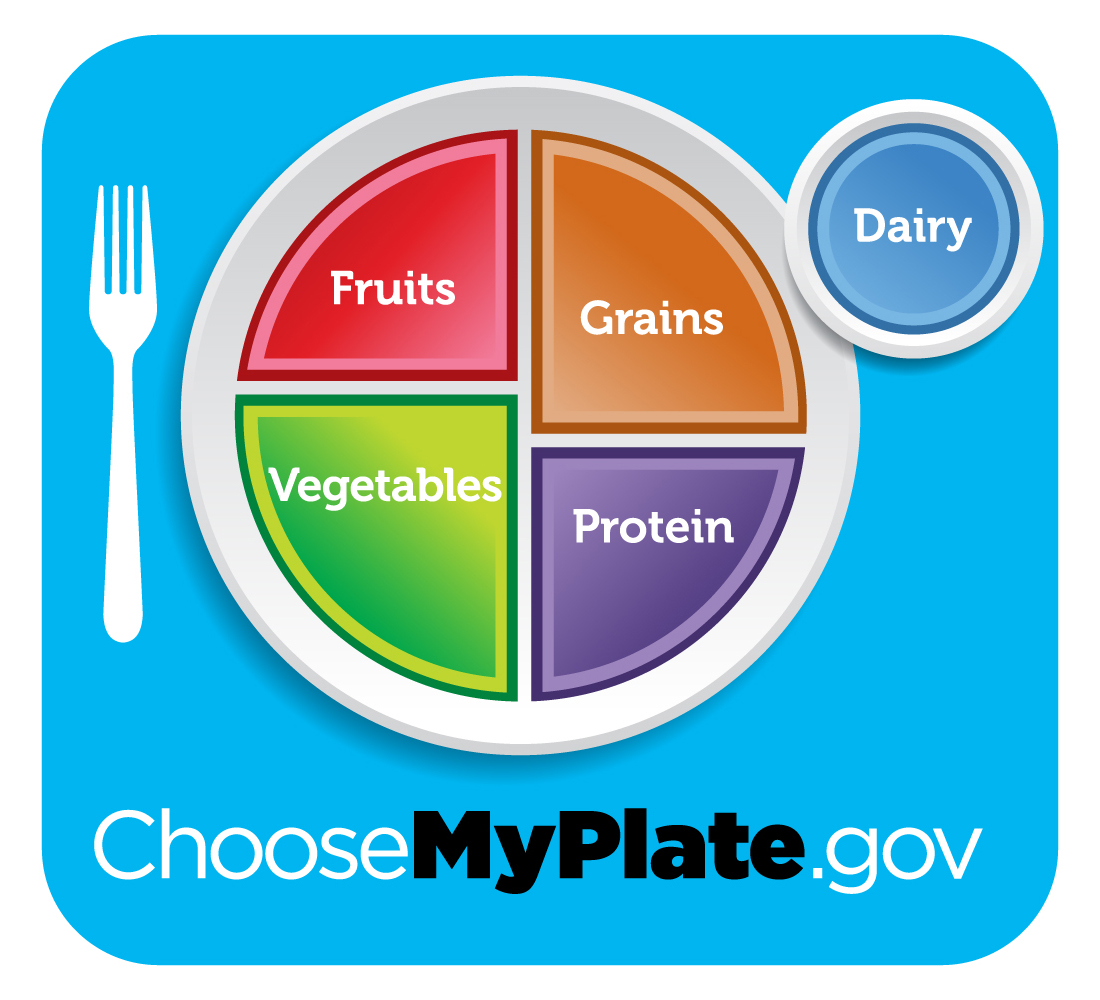
Earlier this month the U.S. Department of Agriculture released new dietary guidelines for Americans that are demonstrated with the MyPlate icon. The sections of the plate show the recommended food groups with fruits and vegetables taking up half of the plate, and proteins and grains making up the other half.

According to a Wall Street Journal article, the federal government has been offering dietary advice for more than one century. Guidelines in the 1940s focused on the “Daily 8” and in the mid-1950s there were the “Basic 4.” A food wheel icon appeared in the 1980s with the food pyramid icon arriving in 1992. The pyramid was often criticized by nutritionists as confusing and not mentioning the benefits of healthy oils since they were suggested to be used only sparingly.

The mission of the MyPlate campaign is to reduce childhood obesity, which impacts health care costs and worker productivity, and therefore the national economy. The cost of the MyPlate campaign is $2.9 million over the next three years. Contrast that with a Stonyfield Farm blog that mentions in 2008, a leading fast food company spent $1.2 billion on marketing their foods that most likely will not be highlighted in the MyPlate campaign.

The new MyPlate website has some useful tips on what is included in each of the food categories. I found the list of whole grains to be particularly useful. In fact, I think that the new icon is more helpful in understanding the proportions of different food groups on my dinner plate. I would be interested in hearing your opinions on the MyPlate campaign as well! Please leave a comment below or check out this blog on Facebook.

Fresh Ideas for Dressing Your Salads

Below are three salad dressings to try whether at home, at a restaurant, or on the go.

The first idea, shown in the picture, comes from a supportive reader of this blog who regularly makes her own salad dressings to use throughout the workweek. She got creative and made one without balsamic vinegar (so it is free of brewer’s yeast) and cane sugar. Here is the recipe:

Natalie’s Lemon Honey Dressing: Mix 1/4 cup water, 1/2 cup lemon juice, 3/4 cup canola oil, and 2tbs honey together. Add seasonings such as garlic, garlic powder, salt, pepper, or fresh herbs. Keep in a sealed container and refrigerate until it is time for a salad course.

The second idea came to me when sensitivehusband and I were out to dinner last week. I wanted to order a salad before my meal but could not select a dressing because each either had balsamic vinegar, cane sugar or both. I am not sure whether it was a moment of clarity or just a strong desire to not eat dry lettuce, but I came up with an idea. I asked our server to bring me some olive oil and a wedge of lemon with my salad. Add a little pepper to that combination and you have a tasty and refreshing accompaniment to your greens.

And last, but certainly not least, is a delicious store-bought salad dressing. Annie’s Organic Green Garlic Salad Dressing can be found at health foods stores, major grocery stores in the organic section, and online. It is a wonderful mixture of vegetable oil, spinach, garlic, parsley, lemon and other seasonings, along with being a vinegar and cane sugar free option.

I hope you find these ideas to be useful. If you have other tips for salad dressings, please share them!

He Can Have His Chocolate Cake and I Can Eat It Too…with Peanut and Chocolate Butter Creams!

Earlier this week we celebrated sensitivehusband’s birthday with some nice dinners, presents…and cake! Like me, my husband enjoys chocolate, so I combined the flavors inspired by turtle cake and buttercream frosting recipes and made some calculations to remove the cane sugar. The result went over very well with the birthday guy and others who have sampled it. Fortunately for us, there is enough cake to eat all week! If you are not a fan of or cannot eat peanut butter, I suggest making extra chocolate buttercream for the in-between layer, or using cane sugar-free jam. Below is my recipe. Have a great day and let me know what you think!

Chocolate Cake with Honey Peanut and Chocolate Butter Creams

Cake:
1 1/2 cups boiling water
3/4 cup unsweetened cocoa
1 cup honey
6 tablespoons butter, softened
1 teaspoon vanilla extract
2 large eggs
1 cup all-purpose flour
2/3 cup whole wheat flour
1 teaspoon baking soda
3/4 teaspoon baking powder
1/4 teaspoon salt
  
Honey Peanut Butter Cream:
1/4 cup butter, softened
1/8 cup peanut butter
1/2 tablespoon water
1/4 teaspoon vanilla
pinch of salt
1/3 cup honey
  
Chocolate Butter Cream:
1/2 cup butter, softened
1/2 teaspoon vanilla
1 tablespoon water
pinch of salt
1 cup agave nectar
1/4 cup cocoa powder

Preheat oven to 350°.  Coat bottoms of 2 (8-inch) round cake pans with cooking spray or butter (do not coat sides of pans); dust with 1 tablespoon flour.

Combine boiling water and cocoa, stirring well with a whisk. Cool completely.

Place honey, butter and vanilla in a large bowl; beat with a mixer at medium speed until well blended. Add eggs, 1 at a time, beating well after each addition. Combine flours, baking soda, baking powder and salt, stirring well with a whisk. Add flour mixture and cocoa mixture alternately to honey mixture, beginning and ending with flour mixture.

Pour batter into prepared pans; sharply tap pans once on counter to remove air bubbles. Bake at 350° for 30 minutes or until a wooden pick inserted in center comes out clean.  Cool completely before frosting the in-between layer with Honey Peanut Butter Cream, and the top and sides with Chocolate Butter Cream.

For Honey Peanut Butter Cream: Cream butter and peanut butter. Add the water, salt, and vanilla and cream again. Slowly add the honey and beat until creamy.

For Chocolate Butter Cream: Cream the butter, vanilla, water and salt until creamy. Slowly add the agave nectar and cocoa powder.

Please note: refrigerate the butter creams if either becomes too runny to use for frosting. A few minutes in the cool temperature will correct the consistency.

I am also sharing this recipe with Simply Sugar and Gluten Free, This Chick Cooks, Something Swanky, Food Trip Friday, Sweet as Sugar Cookies, Everyday Sisters, Joy of Desserts and on my Facebook page.

The Best Banana Bread is Just One Bowl Away!

I have always loved “quick breads” for breakfast because they come in a range of flavors and are a little sweet. Quick breads do not require any time for the dough to rise because baking soda or baking powder is the leavening agent. Now that I am making this recipe regularly, I find that I love quick breads at any time of the day or night. This is my go-to bread, a terrific and wholesome snack! Below is my adapted recipe; for the original version without butter or eggs, or for a variation with maple syrup and raisins, please visit Katie B’s Banana Breads at The Kind Life blog. This recipe meets all of my criteria in a homemade quick bread – first of all, it’s delicious. Second, it’s easy – a real “one-bowl wonder.” And lastly, there are not too many ingredients involved. It’s time to eat a slice! Enjoy!

Ingredients:
3/4 cup agave nectar
1/2 cup butter
2 eggs
3-4 very ripe bananas, smashed
2 cups whole wheat flour
1 teaspoon baking soda
1 tablespoon flax seeds (optional)
Chopped nuts (as many as you like; optional)

Directions:
Mix ingredients in a bowl in the order given.
Pour into a greased loaf pan.
Bake at 350 degrees F for 50-60 minutes.

I am also sharing this recipe on Slightly Indulgent Tuesday, These Chicks Cooked, Sweet as Sugar Cookies, Food Trip Friday and Joy of Desserts.