Category Archives: Economics

Impress Your Friends and Family with July 4th Food Facts

Summer is about to ramp up into full swing with the upcoming July 4th holiday. Parades, fireworks and picnics will fill many neighborhoods as people celebrate America’s independence. Sensitivehusband and I are looking forward to hosting a picnic – we will be grilling chicken as the main course. And thanks to information compiled by the U.S. Census, I can guess that my chicken originated from one of six states in the South. Below are statistics pertaining to food; for the complete list of information, go to the U.S. Census Facts for Features web page. The data will lend itself to some interesting conversation at your holiday picnic…you may even impress someone with your knowledge of food trivia! Enjoy your holiday, and the data below!

More than 1 in 4
The chance that the hot dogs and pork sausages consumed on the Fourth of July originated in Iowa. The Hawkeye State was home to 19 million hogs and pigs in March 2011, which is more than one-fourth of the nation’s estimated total. North Carolina (8.6 million) and Minnesota (7.6 million) were also homes to large numbers of pigs. Source: USDA National Agricultural Statistics Service

6.8 billion pounds
Total production of cattle and calves in Texas in 2010. Chances are good that the beef hot dogs, steaks and burgers on your backyard grill came from the Lone Star State, which accounted for about one-sixth of the nation’s total production. And if the beef did not come from Texas, it very well may have come from Nebraska (4.6 billion pounds) or Kansas (4.1 billion pounds).
Source: USDA National Agricultural Statistics Service

6
Number of states in which the value of broiler chicken production was $1 billion or greater between December 2009 and November 2010. There is a good chance that one of these states — Georgia, Arkansas, North Carolina, Alabama, Mississippi or Texas — is the source of your barbecued chicken.
Source: USDA National Agricultural Statistics Service

Over 1 in 3
The odds that your side dish of baked beans originated from North Dakota, which produced 36% of the nation’s total in 2010. Another popular Fourth of July side dish is corn on the cob. Florida, California, Georgia, Washington and New York together accounted for 68% of the fresh corn produced nationally in 2010.
Source: USDA National Agricultural Statistics Service

Please Pass the Potato
Potato salad and potato chips are popular food items at Fourth of July barbecues. Approximately half of the nation’s spuds were produced in Idaho or Washington state in 2010.
Source: USDA National Agricultural Statistics Service

More than three-fourths
Amount of the nation’s head lettuce production in 2010 that came from California. This lettuce may end up in your salad or on your burger.
Source: USDA National Agricultural Statistics Service

7 in 10
The chances that the fresh tomatoes in your salad came from Florida or California, which combined accounted for 71% of U.S. fresh tomato production last year.
Source: USDA National Agricultural Statistics Service

Florida
The state that led the nation in watermelon production last year (750 million pounds). Other leading producers of this popular fruit included California, Georgia and Texas; each had an estimate of more than 600 million pounds.
Source: USDA National Agricultural Statistics Service

81 million
Number of Americans who said they have taken part in a barbecue during the previous year. It’s probably safe to assume a lot of these events took place on Independence Day.
Source: Mediamark Research & Intelligence, as cited in the Statistical Abstract of the United States: 2011
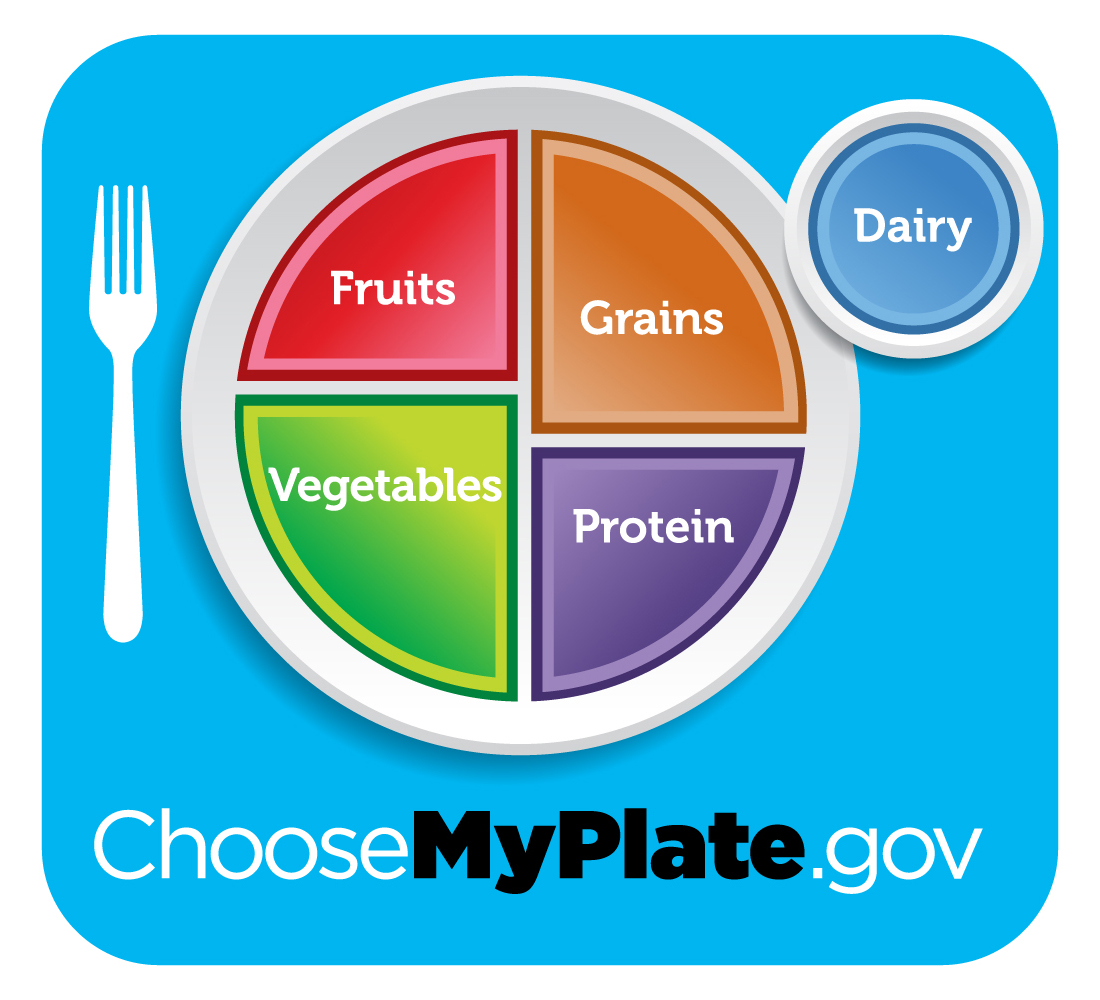
Exit Stage Left: Food Pyramid. Enter Stage Right: Food Plate

Earlier this month the U.S. Department of Agriculture released new dietary guidelines for Americans that are demonstrated with the MyPlate icon. The sections of the plate show the recommended food groups with fruits and vegetables taking up half of the plate, and proteins and grains making up the other half.

According to a Wall Street Journal article, the federal government has been offering dietary advice for more than one century. Guidelines in the 1940s focused on the “Daily 8” and in the mid-1950s there were the “Basic 4.” A food wheel icon appeared in the 1980s with the food pyramid icon arriving in 1992. The pyramid was often criticized by nutritionists as confusing and not mentioning the benefits of healthy oils since they were suggested to be used only sparingly.

The mission of the MyPlate campaign is to reduce childhood obesity, which impacts health care costs and worker productivity, and therefore the national economy. The cost of the MyPlate campaign is $2.9 million over the next three years. Contrast that with a Stonyfield Farm blog that mentions in 2008, a leading fast food company spent $1.2 billion on marketing their foods that most likely will not be highlighted in the MyPlate campaign.

The new MyPlate website has some useful tips on what is included in each of the food categories. I found the list of whole grains to be particularly useful. In fact, I think that the new icon is more helpful in understanding the proportions of different food groups on my dinner plate. I would be interested in hearing your opinions on the MyPlate campaign as well! Please leave a comment below or check out this blog on Facebook.

Food Traditions at the Indy 500

This weekend holds a lot of significance. First, it is a time to honor veterans. We also welcome the summer season with barbecues and the return of white clothing. And we get to enjoy another tradition with the Indianapolis 500. The green flag at noon on Sunday marks the start of the car race’s 100th anniversary. Growing up, this race was always on our television during the Memorial Day weekend. The cars whizzed around the track while the sportscasters talked about how fast Andretti was moving or how long it took Rahal to change a tire in pit row.

Besides the traditions in my house, the Indy 500 is steeped in tradition, especially those involving food. A very popular food sold at the concession stands is a pork tenderloin sandwich. I wonder how many are sold, given that approximately 300,000 people attend this annual event? If you have yeast sensitivities, consider making your own by skipping the bun and substituting the breadcrumbs with crushed brown rice cereal or crackers. Click here for one version of the sandwich.

Domestic beer is another item that has very brisk sales among the visitors. Unlike most venues, spectators are allowed to bring their own alcoholic beverages as long as they are not in bottles because shattered glass is dangerous on the track. So people with sensitivities to yeast and sugar can bring their own beverages – perhaps some water, tea or whiskey.

Peanuts are considered to be bad luck at the race track because there is a legend that a crashed car was found to have peanut shells inside. This was good news for folks with peanut allergies until 2009 when the concession stands began selling them.

Another tradition, started in 1933, was the “milk tradition.” After that race, which was on a very hot day, winner Louie Meyer headed for his garage where he had a bottle of buttermilk in an icebox. As he drank, a photographer captured the moment and the next day the picture of Meyer drinking the milk was in the newspaper. Indiana dairy people thought it was wonderful publicity and since then there has always been a bottle waiting for the winner. If the winner was sensitive or intolerant to cow’s milk, perhaps the bottle could be switched with an alternative such as goat, soy, almond or rice milk.

Whether you spend a part of your Memorial Day weekend at a parade or barbecue, watching or attending the Indy 500, or doing something else special, I hope that you enjoy some foods that are delicious and of your own tradition.

What’s the Beef About Grass-Fed Beef?

I have wonderful memories as a child and young adult where my dad would fire up the grill for the steaks and my mom would make baked potatoes and vegetables. If it was a warm day, we would eat our delicious dinners on the deck. Oh yum…I can almost smell the steaks right now!

My love affair with a tasty steak continues. I do not eat them nearly as often as I used to although they are still seen at happy events and occasions. I just like to celebrate with a filet, tenderloin or strip steak on my plate!

A few weeks ago, while perusing the meat counter at the natural foods store, I made a decision – to purchase some grass-fed beef.

What is grass-fed beef? According to the USDA, the cows only eat what is in the pasture. This contrasts with typical grain-fed beef, which starts at pasture for the first year and then moves to a feedlot for a diet of corn, soy, grains, supplements, hormones and antibiotics. Research from Cooking Light notes that grain-fed beef can get up to weight for slaughter up to one year faster then their grass-fed counterparts, which is a financial incentive for the farmers.

Is there a nutritional benefit to grass-fed beef? Sure. According to this Time article, 100% grass-fed meat is lower in saturated fats, slightly higher in omega-3 fatty acids and higher in vitamins A and E.

So how does the grass-fed beef taste? When I made that first purchase, I got one package to eat fresh and one package to freeze for later. The fresh beef, which is shown in the picture above, was absolutely delicious. My husband seasoned the steaks with kosher salt and fresh ground pepper, and grilled them for a slightly shorter time than our usual grain-fed meat (because they were so lean). We both agreed that these steaks were much better than the usual ones. A couple of weeks later, we defrosted the frozen steaks and grilled them the same way. However, they were not quite fully defrosted, and in compensating we ended up overcooking them. Grass-fed beef is less forgiving to overcooking, so keep that in mind.

The cost is relatively high; I spent almost 50% more on the grass-fed meat. However, buying grass-fed is not just an economic decision – it can be an environmental or health decision too. Growing grass is easier on the environment than growing corn, and the decreased use of antibiotics and hormones are other reasons that people hand over more “green” for the grass-fed varieties. A less expensive per-pound alternative is to buy directly from a farm. Check out a listing of farms in you area at the website for the American Grassfed Association.

Will I buy more grass-fed beef? You bet! It is a wonderful treat.

British Bakeries: Boon or Bust?

This week, much of the world’s media is focused on Friday’s marriage of Prince William and Kate Middleton. It is estimated that 600,000 tourists are in London this week to catch a glimpse of the festivities.

All of these travelers need to eat, so the impact that the increase in tourism will have on the London economy, including tea shops and bakeries, should be quite positive. However on the day of the wedding, a number of streets will be closed off for logistical purposes, and some store owners are debating about whether to open at all on that day because business is actually expected to be slow. So the economic impact of the royal wedding on local bakeries will be mixed and dependent somewhat on location.

Of course, enjoying a British baked good is not just limited to one country. British societies all around the world are having festivities to commemorate the nuptials. Some of the events are multi-day affairs involving more than just tea and crumpets – for a listing of events, click here.

One particular food that is getting a lot of attention right now is the McVitie’s brand Rich Tea Biscuits, which is a favorite among the Royal family. In fact, the groom’s cake is expected to be made with these cookies. A recipe for the cake is available online and as long as the chocolate is grain sweetened and tea biscuits are without cane sugar, is a “sensitive” food too!

The Japan Tragedy and the Seafood Industry

The 9.0 magnitude earthquake, tsunami, and nuclear reactor issues that occurred in Japan last month were unprecedented and tragic. The loss of life has been overwhelming to comprehend. I hope that the people can rebuild their homes and businesses soon.

In addition to the personal loss, there is uncertainty about the short and mid term futures of some industries. For example, some Japanese warehouses for the seafood industry are full because it is difficult to move the inventory to the customers, so demand for some fish, like Alaskan salmon and crab from Newfoundland, has dropped. The demand for Japanese fish has also declined because consumers want to be certain that the seafood has not been exposed to radiation.

Please keep the Japanese people in your prayers as they recover over the coming months and years.

Sources: NPR, Liam Moriarty, U.S. Seafood Industry Braces For Japan Crisis Impact, March 18, 2011, http://www.npr.org/2011/03/18/134653667/u-s-seafood-industry-braces-for-japan-crisis-impact; CBC News, Japan Disaster Could Hurt Seafood Industry, March 15, 2011, http://www.cbc.ca/news/canada/newfoundland-labrador/story/2011/03/15/japan-disaster-crab-sackton-315.html; KTUU, Rhonda McBride, March 14, 2011, Economic Fallout from Japanese Quake Touches Alaska, http://articles.ktuu.com/2011-03-14/seafood-industry_28689991

Price increases at the grocery store

Have you noticed that the prices of many items have increased at the grocery store? I have noticed a slow uptick in our food bill over the past few months. And the prices are not expected to come down for awhile.

In fact, economists are predicting increasing grocery bills for households across the country this year. As a result of strange weather patterns and increased demand from China last year, a number of commodity prices (including wheat, corn, soybeans, oil, and others) have increased, and retailers have started to pass those increased costs along to the consumers. (Source: http://www.courant.com/aan-4b.01-14-11.mid.inflation-20110114,0,7874425.story)

Unfortunately, the cost of making my cane sugar free chocolate chip cookies (see March 31 post for recipe) is more expensive this year relative to last. However, I can argue that the taste of freshly baked cookies holds an infinite value, so I will just have to continue spending more on the flour so I can enjoy them!

For more information about commodity prices, see the New York Federal Reserve’s blog at http://libertystreeteconomics.newyorkfed.org/2011/03/how-much-will-the-rise-in-commodity-prices-reduce-discretionary-income.html

For an overview of commodities, see Investor Weekly at http://www.investorguide.com/igu-article-1139-what-is-a-limited-partnership-lp.html