Tag Archives: Gluten free

Homemade Vanilla Extract for a Sweet Disposition

This weekend, SensitiveHusband and I enjoyed listening to our local symphony’s performance of Beethoven’s Ninth Symphony. It was so wonderful to hear this piece live, especially during the fourth movement when the chorus, soloists and symphony were performing the famous “Ode to Joy” segment. When we got home we enjoyed homemade chocolate chunk cookies, which contributed greatly to our pleasant evening.

I read a news article this week about a growing body of evidence that links what we taste and how we feel. In the Journal of Personality and Social Psychology, researchers reported findings that a person with a sweet tooth is more likely to have a sweet disposition and be more generous with his or her time. The findings also stated that food can affect one’s judgement – a person may be more critical of a situation after drinking a bitter drink, for example. Perhaps this is why my office has a candy jar rather than a rotten egg jar!

Last year my sweet sister-in-law, Bree, gave me a jar of homemade vanilla extract. She said that it was so easy to make – it just takes two ingredients – and the result lighter and fresher than the store-bought variety (without the corn syrup that is sometimes added too). I used her creation rather quickly so I started making my own. I even make extras from time to time and give them as gifts to sweet people in my life. They make great holiday gifts – and if you start now you will have time to prepare them for this year’s winter holidays.

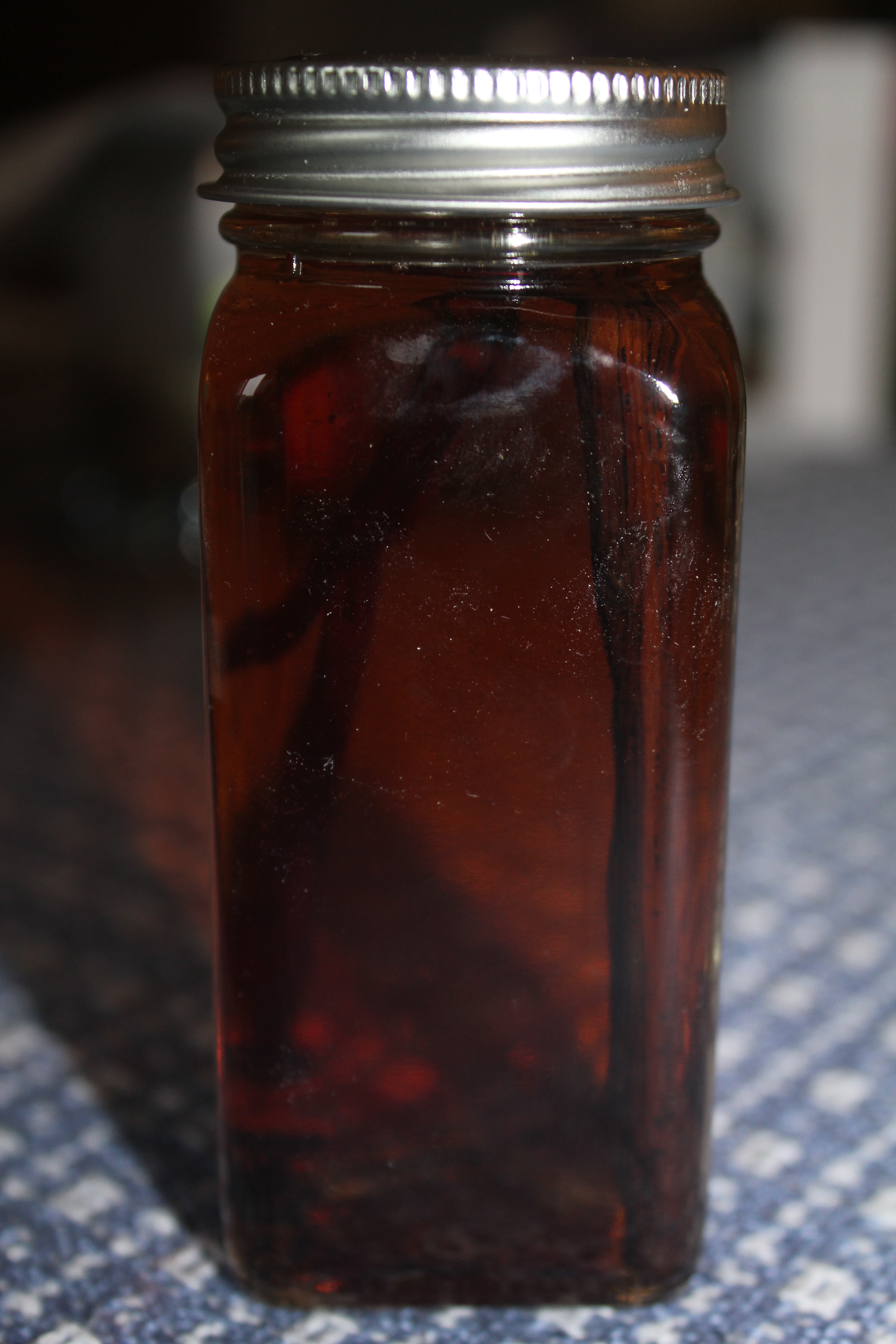
The ingredients are 1 vanilla bean and 1/3 cup vodka. Cut the vanilla bean down the middle so that the flesh is exposed. Add the vanilla bean to a clean glass jar (I use the jar that the bean comes in). Add the vodka in the jar so that it covers the bean. Close the jar tightly and shake the bottle. Store the mixture in a dark, cool place for about eight weeks, shaking the bottle once a week. The mixture will start as a clear liquid and will end up as a brown liquid – vanilla extract! Use in all of your baking to enhance the sweetness of your desserts, and according to researchers, to sweeten your day too!

I am sharing my recipe with Simply Sugar and Gluten Free and Katie’s French Language Cafe.

Have a Party with Oven-Roasted Carnival Squash

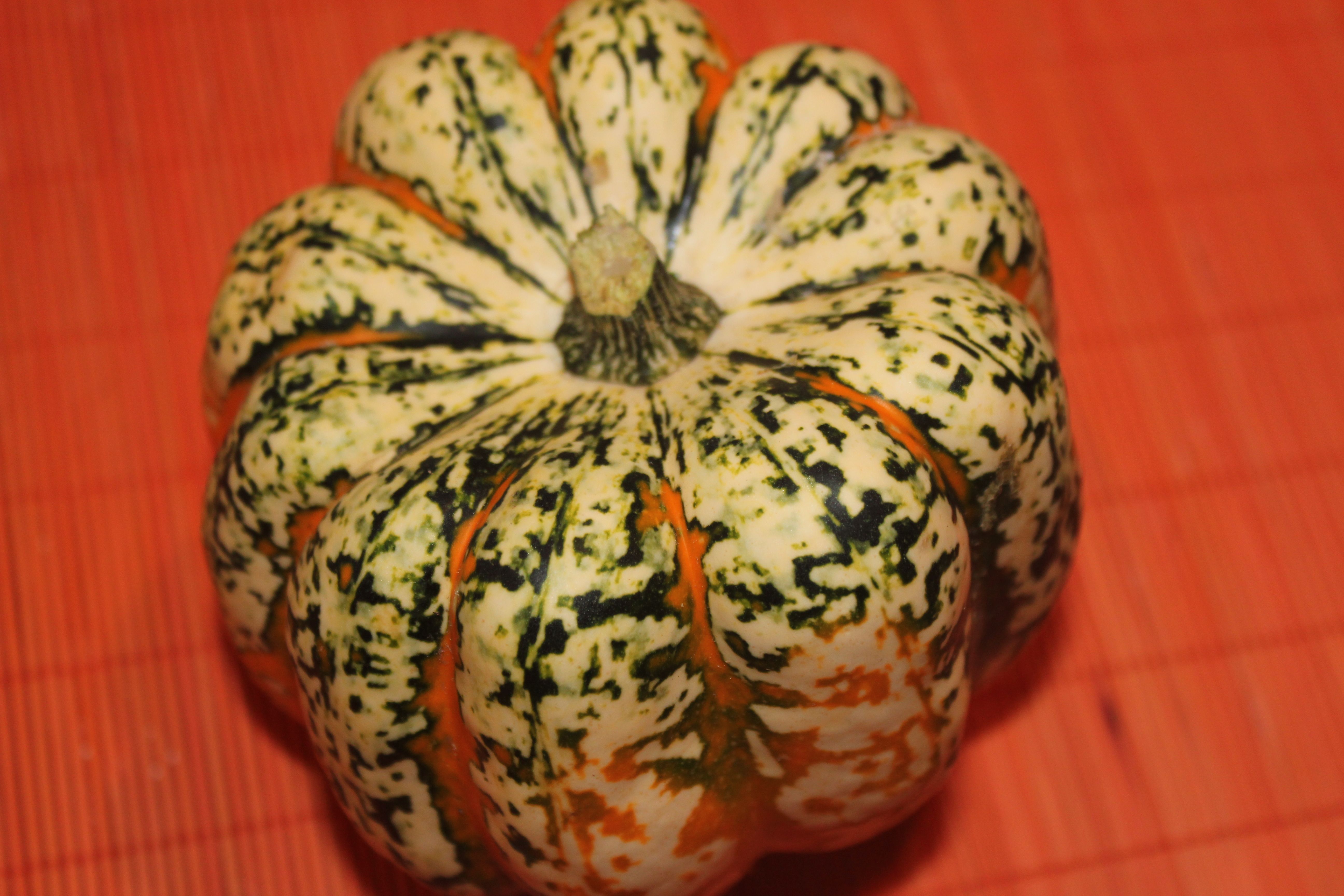
Happy day, everyone! The weather is spectacular in New England – the days are warm with low humidity while the nights are cooler. This is perfect windows-wide-open-to-let-the-breezes-in weather! And the farm share continues to amaze us with a late-summer bounty. Recently we received a carnival squash – it looked like a party all right – with its speckles of green, orange, yellow and black, reminding me of confetti. The farm included a simple recipe for roasting this gourd-looking squash, which said would bring out the natural flavors of the vegetable. SensitiveHusband and I decided to give it a try, substituting the brown sugar with maple syrup, and it did not disappoint – its taste and texture resembled a cross between acorn and butternut squashes. If you see this vegetable at the store or farm, do pick one up and give it a try. It’s a delicious vegetable for this time of year.

Ingredients:
1 carnival squash
4 tablespoons butter
1/4 cup maple syrup

Preparation:
Cut squash in half to make two matching boats. Scoop out seeds from center. Put half the butter and half the maple syrup in each side. Place in a glass dish, cover with foil, and place in the oven at 375 degrees for about 1 hour. Please note: the cooking time may vary depending on the size of the squash.

I am sharing this recipe with Simply Sugar and Gluten Free and Gastronomical Sovereignty.

Free! One-Bowl Chocolate Agave Peanut Butter Cups!

Good day, everyone! I am delighted by the weather we are having in the Northeast this week – temperatures are in the high 70s with low humidity and sunshine peeking through puffy, white clouds. The nights are cool, allowing us to abandon the air conditioners and listen to the birds and bugs outside our windows. The dress code is long-sleeved t-shirts and shorts – this is late summer at its finest. And our farm share is rewarding us with all sorts of fruits and vegetables…which I’ll talk about later because today I must share with you a recipe that MaryAnn discovered – for chocolate peanut butter cups that are free! They are free from gluten, yeast, dairy and refined sugars – and absolutely decadent!

MaryAnn found the original recipe for Healthy Chocolate Peanut Butter Fudge and made a batch that we tried. They were so melt-in-your-mouth good that I decided to make them soon after for a picnic. I made a few minor changes. First of all, I doubled the recipe. These treats are too good to just make a small batch. Plus you can freeze them and pull them out whenever you get a craving for that fabulous combination of chocolate and peanut butter. I used agave nectar instead of honey, but as I have noted below you can use either interchangeably. And lastly, the directions mention either using a food processor or bowl and whisk to mix the ingredients together – I just stirred them for great results – why bother pulling out the appliances if you don’t need to? This is a fabulous concoction using only five ingredients, no baking or cooking is necessary, and the results are fantastic!

Ingredients:
1 cup coconut oil (slightly melted, but not hot)
1 cup cocoa powder
1 cup natural peanut butter, softened
1/2 cup agave nectar (or honey)
1 tsp vanilla extract

Preparation:
Prepare muffin pans with 24 muffin liners.

Put all ingredients in a bowl. Whisk until the mixture is smooth and nicely combined. (It will be very liquidy.)

Pour the liquid fudge into the prepared muffin liners dividing evenly between them (about two tablespoons of mixture in each).

Place the muffin pan in the refrigerator for 30 minutes (or in the freezer for 10 minutes) until hardened.

Remove the muffin liners from the pans and enjoy! Store in the refrigerator or freezer.

I am sharing this recipe with Simply Sugar and Gluten Free…and am happy to be featured too!

Roasted Kohlrabi – Great Taste and Nutrition with Few Statistics

As I mentioned last week, I could not identify one of the vegetables included in my last farm share delivery. The vegetable looked like a purple turnip/cabbage with leaves attached to green stalks. Good thing the farm included a vegetable key – we had received kohlrabi!

Kohlrabi (pronounced “coal RAH bee”) comes from the German words kohl, meaning cabbage, and rabi, meaning turnip. Its name is a perfect description of this vegetable. Even though the variety we received had a dark purple skin, it peels off easily to reveal a light yellow flesh. After sampling the roasted kohlrabi, SensitiveHusband and I agreed that it tastes like a turnip without any bitterness. This means that you can cook the vegetable with a variety of seasonings and they will flavor the mild kohlrabi very nicely.

Kohlrabi has a lot of nutrients (information from Nutrition and You):
*Kohlrabi is rich in vitamins such as potassium and manganese, and dietary fiber, but has only 27 calories per 100 g, virtually no fat, and zero cholesterol.
*Like other members of the brassica family, kohlrabi contains health-promoting phytochemicals such as isothiocyanates, sulforaphane and indole-3-carbinol.
*The vegetable contains good amounts of many B-complex vitamins such as niacin, vitamin B-6 (pyridoxine), thiamin, and pantothenic acid.
*Its creamy color flesh contains small amounts of vitamin A and carotenes. Kohlrabi leaves, like turnip greens, are also abundant in carotenes, vitamin A, vitamin K, minerals, and B-complex vitamins.

The commercial production of kohlrabi is relatively low in the U.S. so there are not many statistics about the production or consumption of the vegetable. Perhaps in the coming years, as more people find them in their farm share boxes, try cooking them, and finding that they are tasty, consumption will increase and so will the statistics! Try this simple recipe below and see how tasty kohlrabi can be.

Ingredients:
2 kohlrabi bulbs, peeled
1/4 cup olive oil
1 large clove of garlic, sliced or minced
salt and pepper to taste
1/3 cup grated Asiago (or other melty) cheese

Preparation:
Preheat oven to 450 degrees F.

Cut the kohlrabi into 1/4 inch thick slices, then cut each slice in half. Combine olive oil, garlic, salt and pepper in a large bowl. Toss kohlrabi slices in the olive oil mixture to coat. Spread kohlrabi in a single layer on a baking sheet.

Bake in the preheated oven until browned, about 25 minutes. Remove from oven and sprinkle with cheese. Return to the oven to allow the cheese to brown, about 5 minutes. Serve immediately.

I am sharing this recipe with Simply Sugar and Gluten Free, Food Trip Friday, Miz Helen’s Country Cottage and Gastronomical Sovereignty.

Garlic Shrimp with Quinoa is a Gluten Free Treat!

A few months ago, I shared a delicious recipe for garlic shrimp with pasta that was created by my MIL and FIL. SensitiveHusband and I just love this meal because it is fairly quick and easy to prepare, especially if we work on it together. However, we recently tried a variation of this dish that was also quite good – instead of tossing the shrimp and peas with pasta, we used quinoa.

Keen-what? Quinoa (pronounced KEEN-wah) is an amino acid-rich seed that has a slightly crunchy texture and nutty flavor when cooked. Most commonly considered a grain, quinoa is actually a relative of leafy green vegetables. Click on this web site from the George Mateljan Foundation for a helpful chart that shows the daily percentages of magnesium, folate and other nutrients in quinoa. It is also gluten free, which is a welcome benefit to many people’s diets.

In order to make this dinner, follow the instructions for MIL and FIL’s Garlic and Shrimp Pasta. Just cook up some quinoa instead of the pasta and toss with the shrimp and garlic at the end to serve. Enjoy this dinner!

I am sharing this recipe with Simply Sugar and Gluten Free, Miz Helen’s Country Cottage and Food Trip Friday.

Baked Acorn Squash

My sister-in-law made this great side dish for one of our festive family dinners. It was easy to make and delicious with maple syrup as the sweetener (rather than brown sugar). It is a nice alternative to sweet potatoes and can be enjoyed by carnivores and herbivores alike. Have a nice dinner!

Ingredients:
1 Acorn squash
1 Tbsp Butter
4 teaspoons Maple Syrup
Dash of Salt

Method:
1 Preheat oven to 400°F.
2 Cut the acorn squash in half, lengthwise, from stem to end. Use a spoon to scoop out the seeds and stringy stuff in the center of each half. Score the insides of each half several times with a sharp knife. Place each half in a baking pan, cut side up. Add about a 1/4 inch of water to the bottom of the baking pan so that the skins don’t burn and the squash doesn’t get dried out.
3 Coat the inside of each half with 1/2 Tbsp of butter. Add a dash of salt if you are using unsalted butter. Dribble 2 teaspoons of maple syrup to each half.
4 Bake in the oven for 1 hour 15 minutes, until the squash is very soft and the tops are browned. Do not undercook. When finished, remove from oven and let cool a little before serving. Serve as is or stir the squash with the cooked maple syrup using a fork (as shown in the picture) for easier eating.

I am sharing this recipe with Simply Sugar and Gluten Free.

Stirring and Statistics for Risotto with Sausage and Spinach

This past Friday night, I boldly stirred something I had never stirred before…risotto. Risotto is an Italian rice specialty made by stirring hot stock into a sautéed rice mixture (thanks, Epicurious, for the definition). The slow addition of hot stock allows the rice to release starch, which gives risotto a creamy consistency.

I had never before made risotto, although I found a recipe in the January 2012 edition of Cooking Light magazine that caught my eye. I made my substitutions (including adding garlic, eliminating the shallots, using homemade chicken stock, substituting the white wine with water, and finding a chicken sausage without yeast, sugar or onion) and followed the directions closely, which yielded a delightful result. However, I learned a few things about risotto that I want to share with you so you can learn from my novice mistakes:

(1) Prepare all of the ingredients ahead of time. This is because once you start stirring, you will find it hard to stop. Fortunately, I prepped fairly well ahead of time so my mushrooms were sliced, garlic was minced, sausage was diced, and other ingredients were accessible. The spinach however, remained in the bag, unwashed. As I stood stirring at the stovetop, watching with amazement as the rice slowly became a creamy risotto, it became clear that the leafy green vegetable was not going to wash itself. I felt relief when SensitiveHusband walked in the door, home from work. I was so happy that he was home so we could chat, enjoy a good meal, and he could wash the spinach.

(2) When the recipe calls for “constant stirring,” it is not kidding. Pull up a chair, hold a good book in one hand, and keep stirring with the other hand. I was able to take mini-breaks, but once you wipe the sweat from your brow, return to stirring.

I found a few other good tips from Susan Russo for NPR, but as long as you follow this recipe you should not have any trouble getting the correct result.

While I was stirring, I had some time to think, and my thoughts drifted to rice production. So after dinner I did some research. Most risottos are made with arborio rice, which is mostly cultivated in Italy. The U.S. is a net exporter of rice, growing mostly long- and short-grain varieties. About 99% of the total U.S. rice crop is produced in four regions:
1. Arkansas Grand Prairie (Arkansas is the largest single rice producing state with about 45% of rice producing acreage);
2. Mississippi Delta (includes Arkansas, Mississippi, Missouri and Louisiana);
3. Gulf Coast (Texas and Southwest Louisiana); and
4. Sacramento Valley of California.

The USDA’s rice outlook from February 10, 2012 notes that the 2011-12 global rice production forecast was raised 1.3 million tons to 462.7 million tons, which is the largest crop on record. It looks like Italy’s arborio rice crop is expected to be a good one this year, so enjoy your risotto!

Ingredients
* 3 cups (homemade or) fat-free, lower-sodium chicken broth
* 1 1/3 cups water
* 1 tablespoon extra-virgin olive oil
* 1/8 teaspoon salt
* 1 (8-ounce) package sliced mushrooms
* 5 ounces sweet Italian sausage, casings removed and diced (about 2 links)
* 5 garlic cloves, minced
* 1 cup uncooked arborio rice
* 1 (6-ounce) package baby spinach
* 1/4 cup (1 ounce) shaved fresh Romano or Parmesan cheese

Preparation
1. Bring broth and 1 cup water to a simmer in a small saucepan (do not boil); keep warm over low heat.
2. Heat a Dutch oven over medium-high heat. Add oil; swirl to coat. Add salt and mushrooms to pan; cook for 8 minutes or until browned, stirring occasionally. Remove mushrooms from pan, and set aside.
3. Add sausage to pan, and cook for 3 minutes or until browned. Add garlic; cook 1 minute, stirring constantly. Reduce heat to medium. Add rice; cook for 1 minute, stirring constantly. Stir in 1/3 cup water, and cook until liquid is nearly absorbed, scraping pan to loosen browned bits.
4. Stir in 1 cup broth mixture; cook for 2 minutes or until liquid is nearly absorbed, stirring constantly. Add remaining broth mixture, 1/2 cup at a time, stirring constantly until each portion of broth mixture is absorbed before adding the next (about 30 minutes total). Remove pan from heat. Add mushrooms and spinach; stir until spinach wilts. Top evenly with cheese. Serve and enjoy immediately.

I am sharing this recipe with Simply Sugar and Gluten Free, Miz Helen’s Country Cottage, Food Trip Friday, Cybele Pascal Allergen-Free Cuisine and Simple Living with Diane Balch.

A Flavor and Cost Review of Whole Grains

Since I made the maple raisin scones using millet flour, I have been interested in learning more about whole grains. Since my use of millet flour was such a success, what other whole grains could I use?

Grains are the seeds of certain plants. Inside the seed is the germ, and attached to the germ is a starch called the endosperm. Both are protected inside the bran that surrounds them. When grains are refined, the bran and germ are stripped away, leaving the starchy part that is less nutritious. When in the grocery store, look for labels that list whole wheat flour, whole oats, or other whole grains. Wheat flour is not a whole grain.

The following chart is adapted from the Whole Foods Market Magazine, North Atlantic Region, Spring 2011. The chart lists all of the whole grains along with their characteristics and other intereting food facts.

The economist in me also decided to do a cost comparison among the whole grains. So I searched for each whole grain on Amazon, and chose the first one listed to create a relative whole grain price index. I divided the price per ounce for each of the whole grains. It is interesting to note that the spread among the prices for the whole grains is not too large, although rye is the least expensive and quinoa is the most expensive. Compared to alternative sweeteners, whole grains are a relatively good deal!

If you are willing to buy in bulk, Whole Foods Market allows customers to special order bulk items in “case” quantities to receive a 10% discount off regular bulk retail price. It’s another way to keep your grocery bills on a budget.

I now have my sights on some other whole grains to try…which do you plan to try, or which ones do you already use?